Market-Women and the Revolutionary Market-Place (Gold Coast/Ghana, 1947-1948)
From C.L.R. James, Nkrumah and the Ghana Revolution (1977/1982):
Chapter 3. The People in 1947.
. . . There was yet another social feature of Gold Coast life, which was specifically African and was to prove of enormous importance to the revolution. For the great mass of the common people the centre of African life has always been the market. The Ewe week consisted of four days, the day before market day, market day, the day after market day, and stay at home day. The traders for generations have been the women (Nkrumah’s mother was a petty trader), and this function has been maintained and developed until today a large proportion of the retail distribution of goods, and the main channel through which the distribution of commodities flows from the big wholesale importers to the private home is the market, in small villages as well as in the big towns such as Accra and Kumasi. Thus in Accra there are thousands of women in action in the market, meeting tens of thousands of their fellow citizens every day. European visitors and officials up to 1947 saw in these markets a primitive and quaint survival in the modern towns. In reality here was, ready formed, a social organisation of immense power, radiating from the centre into every corner and room of the town. [p. 56] Instead of being confined to cooking and washing for their husbands, the market-women met every day, dealing with the European and Syrian traders on the one hand and their masses of fellow citizens on the other. The market was a great centre of gossip, of news and of discussion. Where in many undeveloped communities the women are a drag upon their men-folk, these women, although to a large extent illiterate, were a dynamic element in the population, active, well-informed, acute, and always at the very centre of events.
Chapter 7. Positive Action.
. . . [p. 130] In cold blood, writing from documents and information, I find it hard to believe that Nkrumah expected the government to capitulate before the general strike. At best it could be the beginning of a new series of negotiations. At worst, the people might, without or with provocation, lose their control. There would be a horrible massacre. There was another by no means remote possibility. The people might, by the usual combination of force and persuasion, win over the local government forces and repossess themselves of their country and of themselves by force. They were perfectly able to do it.
There were other possibilities. There is no need to go into them. It is enough to understand that we are here in the presence of imponderables. With this objective before them and the people behind them, these young men, now at the climax of a long preparation, did not flinch. They threw down the challenge.
The party had taken no chances. The people were well prepared and knew what they were doing. During December they had been warned, sometimes from the public platform by Nkrumah himself, that they were to save their money and not spend it in Christmas festivities so as to be ready to endure the privations of the coming strike. The cooks of the Europeans found it difficult to buy food in the markets because the market-women were reserving the food [p. 131] for the strike days.
It may seem strange to the Western reader that the party seemed to be able to call a monster meeting at such short notice. The party propaganda vans would tour the city calling the people to the Arena. The market-women could get out thousands of people at the shortest possible notice, and Nkrumah’s often-repeated statement,
the market-women made the party, conveys one of the great truths of the revolution. Here (and in many other places), we get curious reminders and indications of politics in that most political of social formations, the Greek city-state. In his speech on the crown, Demosthenes in an enigmatic passage describes how, at the news that Elatea had been taken, the high officials of the assembly went into the market, drove out the people and set fire to the wicker stalls while trumpeters summoned the population to the assembly. This was done from above and it was the last days of the democracy. The market-women in the first days of Gold Coast democracy did it from below.— Nkrumah and the Ghana Revolution, 55-56; 130-131.
C.L.R. James, 1977.
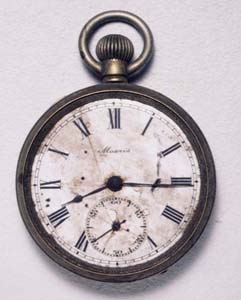
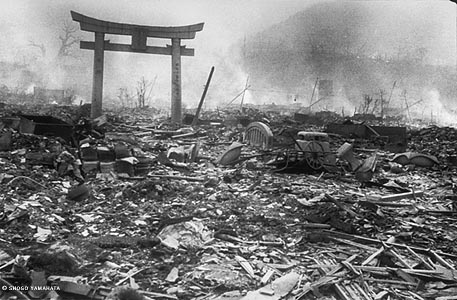
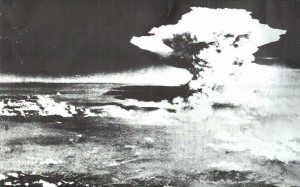
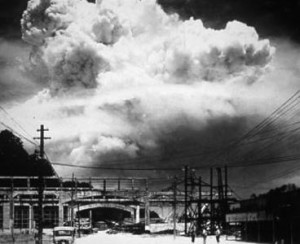

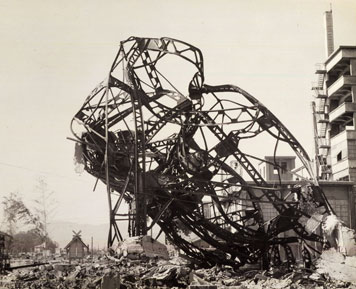
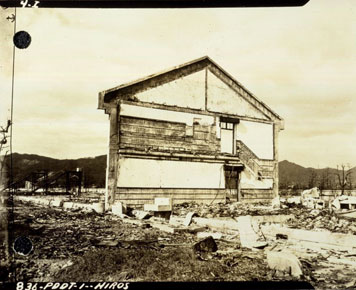
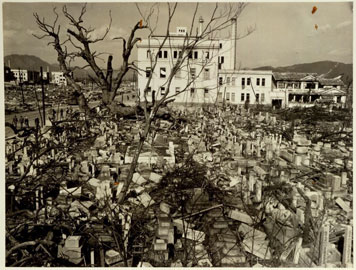

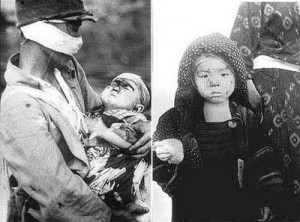
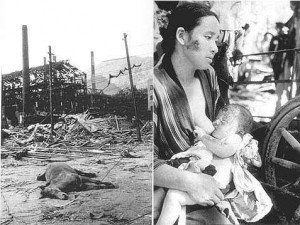
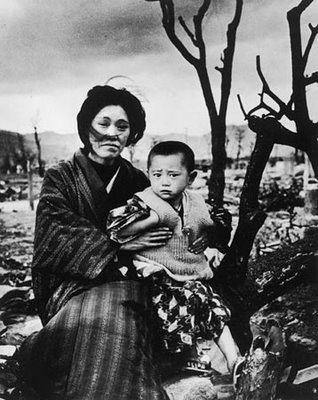
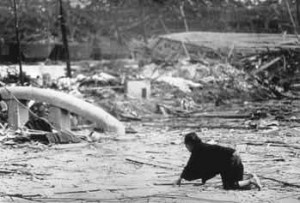
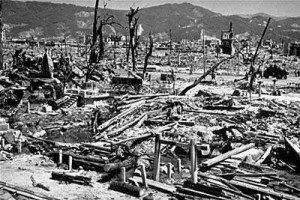
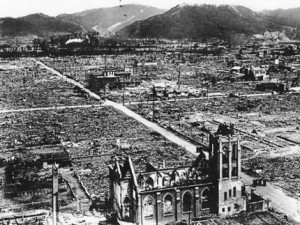
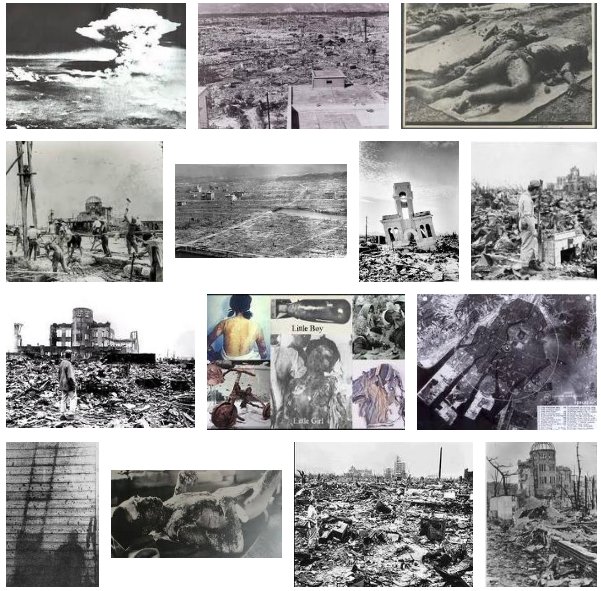

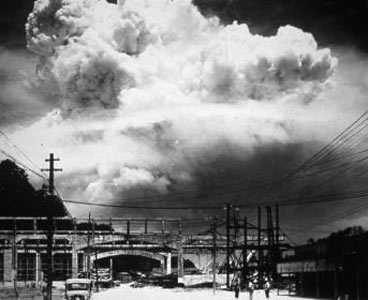
 It was over this section of Nagasaki that the second atomic bomb exploded at 11:02 a.m., August 9, 1945. The damages inflicted on Nagasaki by the atomic bombing defy description. The 20 machi or neighborhoods within a one kilometer radius of the atomic bombing were completely destroyed by the heat flash and blast wind generated by the explosion and then reduced to ashes by the subsequent fires. About 80% of houses in the more than 20 neighborhoods between one and two kilometers from the hypocenter collapsed and burned, and when the smoke cleared the entire area was strewn with corpses. This area within two kilometers of the hypocenter is referred to as the